
NOTE: The sponsor of this content may contact you with more information on this topic. Click here to opt-out from sharing your email address with this sponsor. (This link will not unsubscribe you from any other BIC email list).
Turnaround planning leaves little to chance
Turnaround managers are among the most disciplined, thorough planners in industrial operations. Scope lists are developed well in advance, contractor qualifications are carefully vetted, permitting is secured, and logistics are coordinated, all with ultimate precision. Thanks to the stakes inherent in a plant turnaround, it is no surprise that the planning stage is so important and managed so deliberately.
Successful turnarounds depend on hundreds of decisions made months before a single wrench is turned. Everything from staffing requirements and contractor coordination to material availability and safety planning receives careful scrutiny. The objective is simple: create the conditions necessary for safe execution, predictable performance, and successful completion.
But even carefully planned turnarounds can sometimes be influenced by assumptions that deserve fresh consideration.
When success becomes familiar
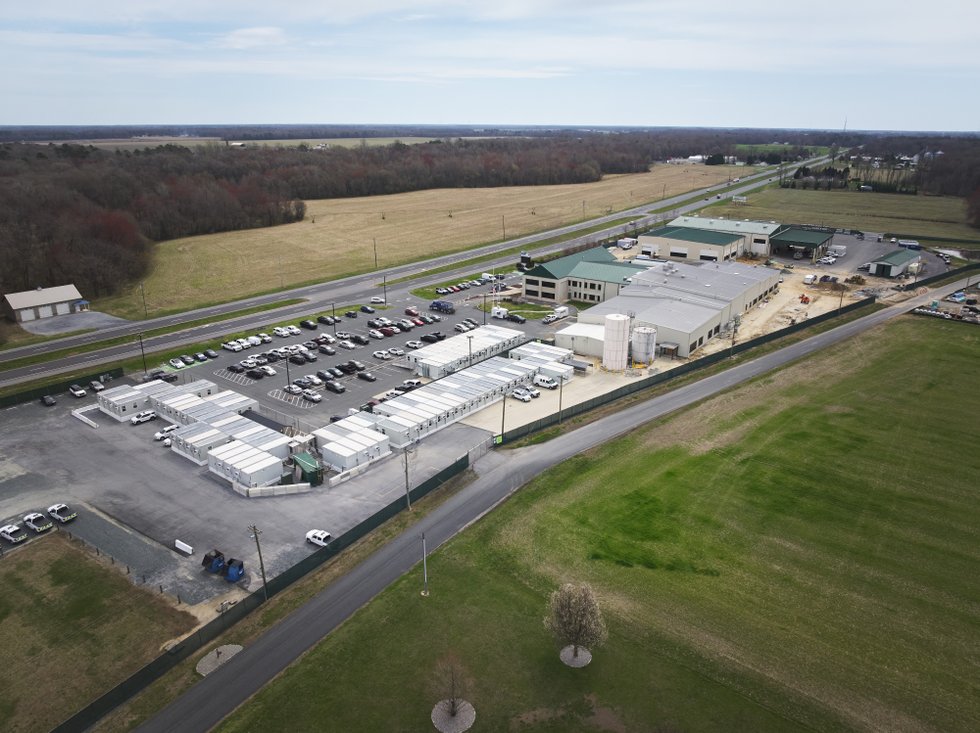
It is only natural that current turnaround planning be shaped by the experience of the prior cycle. After all, previous events provide valuable lessons, proven processes, and practical reference points. Yet familiarity can sometimes lead planners to carry forward decisions that were never intentionally evaluated in the first place.
Temporary facilities are a common example.
A prior turnaround may have been completed safely and on schedule, leading teams to assume that the facility layout was effective. Buildings may have been placed in the same locations cycle after cycle simply because that is where they have always gone. The arrangement may have worked, but that does not necessarily mean it was optimized.
There is often a significant difference between a turnaround that achieved its objectives and a turnaround that achieved those objectives while maximizing productivity, minimizing wasted movement, and reducing avoidable costs. Identifying that difference often starts with a fresh look at temporary facilities.
Why temporary facilities matter
Temporary turnaround structures, including offices, break areas, meeting spaces, training facilities, staging zones, and storage areas, play a vital role in overall execution. These facilities support the daily activities that allow thousands of individual tasks to be completed safely and efficiently.
Not only do the facilities themselves need to meet or exceed standards, but the organization and placement of those facilities is equally important.
Every day of a turnaround involves movement. Supervisors attend coordination meetings. Contractors report to work areas. Teams gather for safety briefings. Personnel travel between break areas, offices, staging locations, and active work zones. The further those distances become, the more time is consumed by activities that do not directly contribute to execution.
Viewed individually, these interruptions may seem insignificant. Viewed across an entire workforce over the duration of a turnaround, they can become much more consequential.
Small shifts, huge results
Consider this: if a 600-person workforce loses even as little as 15 minutes a day in unnecessary travel between temporary facilities and work zones, that adds up to 150 non-productive hours a day. Over a 57-day turnaround, that figure balloons to more than 8,500 hours lost.
The point is not that every turnaround currently experiences these losses. Rather, it illustrates how seemingly minor decisions regarding facility placement can create outsized operational impacts.
Small inefficiencies repeated thousands of times quickly become significant. Likewise, small efficiencies repeated thousands of times can generate meaningful gains in productivity.
This raises a simple but important planning question: did the previous cycle's facilities placement support the most efficient execution possible, or is there an opportunity to reduce time and cost losses through a different approach?
Beyond labor efficiency
Travel time is only one consideration.
Temporary facilities often serve as the operational nerve center of a turnaround. Safety meetings, permit reviews, contractor onboarding, shift handoffs, planning sessions, and coordination activities all depend on these spaces functioning effectively.
A poorly positioned facility can introduce friction into multiple workflows simultaneously. Crews may spend more time moving between locations. Supervisors may struggle to maintain visibility across active work fronts. Coordination activities may require unnecessary travel that consumes valuable time throughout the day.
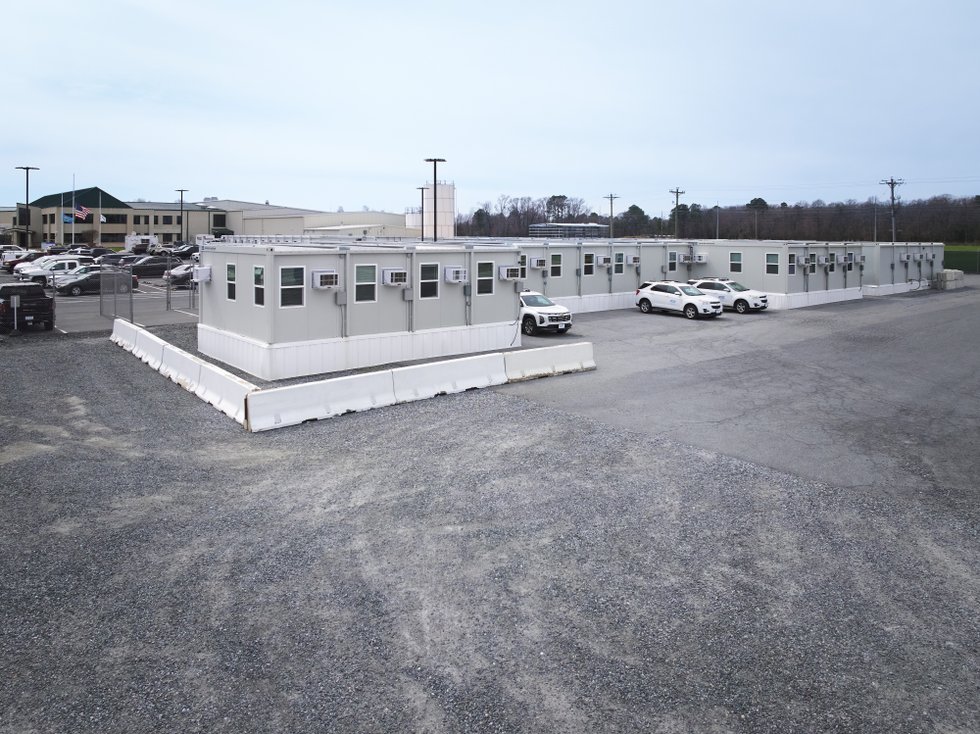
Conversely, a thoughtfully designed layout can help improve communication, streamline coordination, and support more effective decision-making. The goal is not simply to reduce walking distance. The goal is to ensure that the temporary infrastructure supporting the turnaround actively contributes to execution rather than creating obstacles to it.
A simple example
Imagine two turnaround sites with identical scopes, schedules, and workforce sizes.
At the first site, offices, meeting facilities, break areas, and staging locations were placed using the same arrangement utilized during the previous event. The facilities are functional, and the turnaround proceeds according to plan.
At the second site, teams take time during the early planning phase to reassess where personnel spend the majority of their time. They evaluate traffic patterns, supervisor movement, work-front locations, and coordination requirements. Based on that analysis, facilities are positioned to reduce travel, improve accessibility, and better support day-to-day operations.
Neither layout may appear dramatically different on paper. Yet over several weeks, small operational improvements can compound into meaningful gains. Reduced travel time, faster coordination, and improved accessibility all help increase the amount of time available for productive work.
Five questions worth asking
The best facility strategies often begin with a handful of practical questions:
- How much daily travel is required between temporary facilities and active work zones?
- Are office spaces and meeting facilities located near the teams that use them most frequently?
- Where do supervisors and decision-makers spend most of their time during execution?
- Can break areas, staging locations, and support facilities be positioned closer to work fronts?
- Does the overall layout support efficient communication among operations, maintenance, contractors, and leadership teams?
The answers will vary from site to site. That is precisely the point. Effective facility planning is not about applying a standard template. It is about developing a solution aligned with the unique operational realities of a specific turnaround.
Why the conversation should happen early
The best time to evaluate these questions is early in the milestone schedule, well before scope freeze, when facility configurations remain flexible and vendor options are still available.
Too often, temporary facilities become a downstream planning activity that occurs only after larger decisions have already been made. When that happens, opportunities for optimization may be limited.
Instead, facility planning should be approached as an integral component of turnaround strategy. Early engagement allows planners to assess alternatives, challenge assumptions, and align facility decisions with broader execution objectives.
The earlier the conversation happens, the more options become available.
The value of an experienced perspective
Fortunately, uncovering opportunities for improvement does not necessarily require a large investment of time.
Even a single working session with an experienced temporary facilities partner can help identify assumptions that may have gone unchallenged for years. A fresh perspective can reveal potential efficiencies, alternative layouts, and practical opportunities that might otherwise go unnoticed.
The objective is not to identify one universally correct approach. Every site, every turnaround, and every scope is different. Success depends on creating a facility strategy tailored to the specific operational requirements of the event.
Plan the space as thoroughly as the turnaround
Turnaround planners routinely dedicate months to refining scope, sequencing work, coordinating contractors, and preparing for execution. Temporary facilities deserve the same level of strategic consideration.
When thoughtfully designed, temporary workspaces become more than support infrastructure. They become operational tools that help maximize productivity, improve coordination, and support safe execution.
WillScot, North America's premier provider of temporary workspace and storage solutions, works with plant turnaround managers to design effective, efficient temporary facilities layouts. Its in-house experts understand the demands of turnarounds and have helped customers develop site solutions that support safety, productivity, and time on tools.
Because when every day of a turnaround matters, the space supporting the work deserves as much planning as the work itself.
To ensure your temporary space is as carefully considered as everything else you do for your turnaround, start a conversation with WillScot today.