
As you think of your reactors, towers and drums, many people don't think about what goes on inside of them.
Leading a metal fabrication company focused on the internals inside those structures, I think about what you can't see: the components that power the processes. Internals selection is important across all towers, drums and reactors, but I'll focus on reactor internals specifically.
Reactors used, for example, in hydrotreating, hydrocracking or catalytic reforming house internals such as screens, trays, scallops, center pipes and outlet support grids that help to distribute fluids or gases evenly, hold catalyst or other media in place and prevent costly losses downstream.
These components must perform under punishing conditions: extreme heat, crushing pressures, demanding schedules and constant exposure to corrosive chemicals. This makes the selection of internals and how they work together critical. It's never a one-size-fits-all; it's a customized engineering exercise.
For most reactor internals, fabricators typically choose between wire mesh, profile wire and perforated plate for filtration, separation or catalyst containment needs.
center pipes made with profile wire
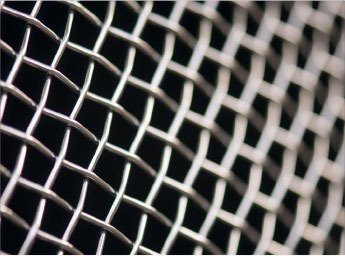
• Wire mesh: Wire mesh is a proven, cost-effective solution for applications like catalyst hold-down screens in axial flow reactors, and it often performs reliably for decades. These screens need a high open area to minimize pressure drop, must be lightweight to protect catalyst and should be easy to remove during turnarounds. Wire mesh can often perform reliably for decades.
• Profile wire: Over the past 30 years, profile wire has replaced wire mesh in some applications, offering high strength and predictable open area for radial reactor components. However, excessive strength can shift loads, create weak points, so its benefits must justify potential increase costs.
• Perforated plate: Advances in cutting and improved punching tolerances have expanded perforated plate use in scallops, outlet components and support grids, where durability, precise holes, easier inspection and cleaning are critical.
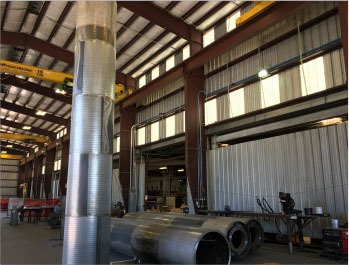
Center pipes made with profile wire
So how do you decide which is best for filtration or separation?
It starts with understanding what the internal product needs to do.
Strength requirements, open area, pressure drop, temperature and containment size all matter. Pressure drop is directly tied to open area: the more open the structure, the lower the pressure drop. But increasing open area often reduces mechanical strength, creating a constant balance between process and structural needs.
Because we work extensively with wire mesh, profile wire and perforated plate, we can act as solution providers and advisors, not just suppliers. Sometimes the right solution is an upgrade. Other times, it's simply changing metallurgy or refining an existing design rather than spending more on new material.
In reactor internals, the best answer is rarely universal. That's why it pays to work with a fabrication partner who understands the options; the tradeoffs, asks the right questions and helps you choose the solution that truly fits your process.
For more information, visit wovenmetal.com.