
For decades, fluorinated foam agents — rich in persistent PFAS chemicals — have been used in firefighting systems.
Once hailed for their effectiveness, these substances have now become a liability. Health hazards, environmental persistence and tightening regulations are forcing a reckoning: Health hazards, environmental persistence, and tightening regulations are driving a necessary shift: the industry must transition to fluorine-free alternatives — and that begins with thoroughly cleaning existing systems contaminated by PFAS.
This process, however, is far from an easy drop-in replacement of foam concentrates alone.
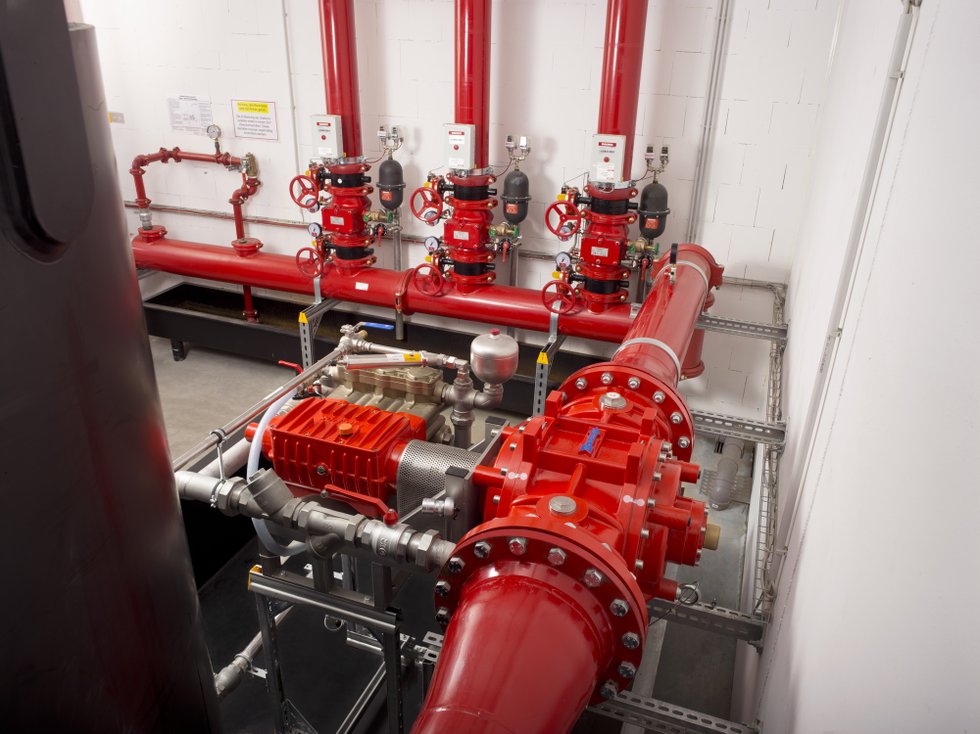
Cleaning up fluorine foam: A step toward safer fire suppression
PFAS compounds like perfluorooctanoic acid and perfluorooctane sulfonate do not degrade in wastewater and are increasingly subject to legal restrictions. Switching to a new fluorine-free foam agent isn’t just a matter of swapping out products. It demands a full assessment of the fire suppression system: compatibility of proportioners, pipelines and nozzles; flow rates; foam characteristics and regulatory compliance.
And then comes the real challenge — removing every trace of the old foam agent. PFAS residues cling to system tanks, pipes, valves and seals. Even small remnants can contaminate future discharges, putting operators back in violation. Worse, PFAS can be absorbed by plastics and leach out later. A simple flush won’t do the trick.
Three major cleaning methods have emerged in the industry:
Water flushing and thermal disposal. A series of hot water flushes — up to seven system volumes — helps dislodge residues. The water, still containing PFAS, must then be incinerated at greater than 2,000°F. Lower incineration temperatures, such as those in municipal waste facilities, are ineffective and inadvisable.
Activated carbon filtration. Here, flushing water is treated with activated carbon, which traps PFAS. The spent carbon is incinerated, often requiring replacement. This approach works best for smaller systems due to lower disposal volumes.
Additive-based flocculation. A chemical additive binds PFAS into microflocs that are filtered out. This method reduces water use and treatment costs, particularly for large systems. It also shortens cleaning time, though it still requires thermal disposal of the captured contaminants.
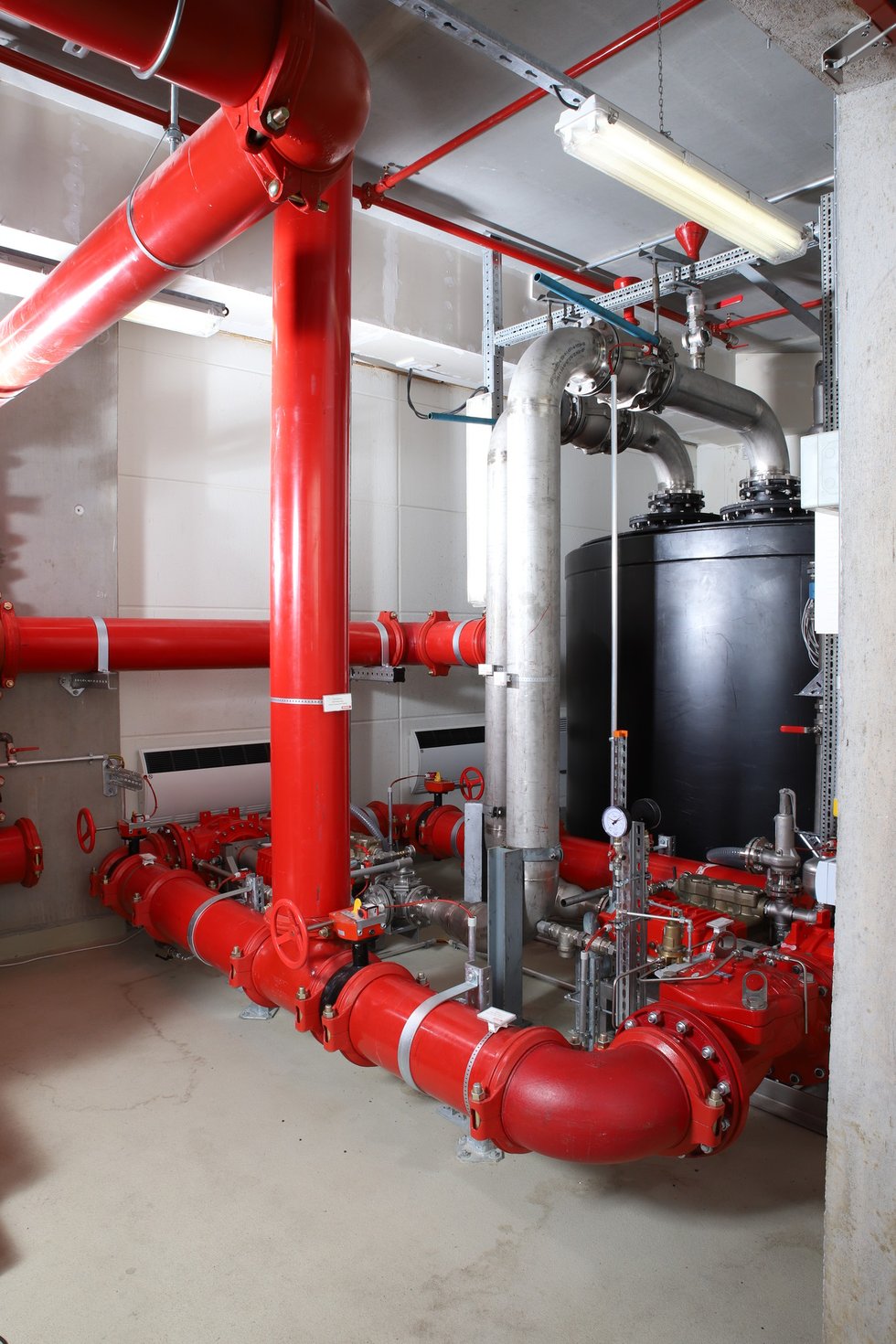
Cleaning up fluorine foam: A step toward safer fire suppression
There’s no universal answer for which method is best. System size, complexity, downtime tolerance, disposal logistics and budget all factor in. But ignoring the problem is no longer an option. PFAS-laced foam will soon be banned from firefighting operations in many jurisdictions, and system operators must act before they find themselves non-compliant—or worse, liable for environmental damage.
Cost remains a barrier. But the cost of inaction is far greater—both financially and reputationally, and a much higher price will be paid in the future. Clear guidelines for postcleaning PFAS levels and sampling methods are urgently needed — as is better coordination on disposal infrastructure. The industry can’t afford to wait. Cleaning up after fluorinated foam isn’t just a technical challenge — it’s a moral one. The tools exist to solve this problem. What’s needed is commitment and leadership.
FireDos, a leading foam proportioning and firefighting systems provider, offers tailored support for fluorine-free transitions and PFAS decontamination planning.
For more information, visit firedos.com.