
NOTE: The sponsor of this content may contact you with more information on this topic. Click here to opt-out from sharing your email address with this sponsor. (This link will not unsubscribe you from any other BIC email list).
Why construction’s top players are moving toward scalability
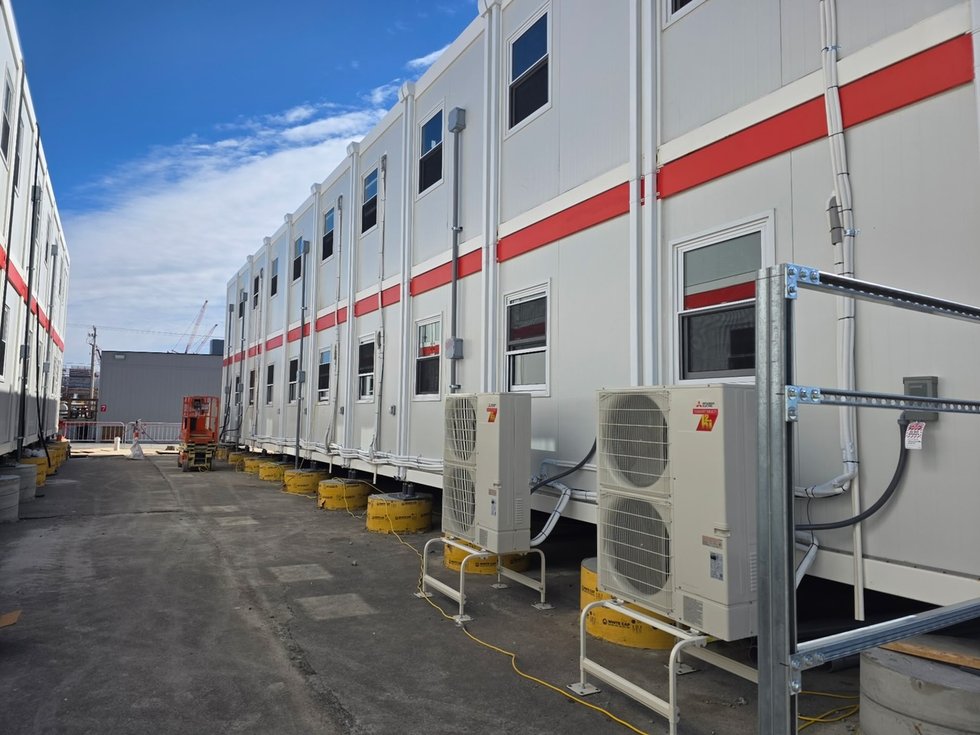
Custom, stackable modular temporary buildings can add square footage of office space, training rooms, or other common areas in projects will small footprints.
The industrial construction landscape is rapidly transforming. Projects are no longer static operations that move linearly from site setup to closeout. Instead, modern capital projects and major turnarounds now operate as dynamic ecosystems — expanding and contracting in real time. This shift is driven not just by technology but by an industry-wide realization that the indirect site services needed to complete the job — think everything that’s needed by construction crews that won’t still be there when the job is done — are essential for improving productivity and controlling costs.
Why the old approach no longer works
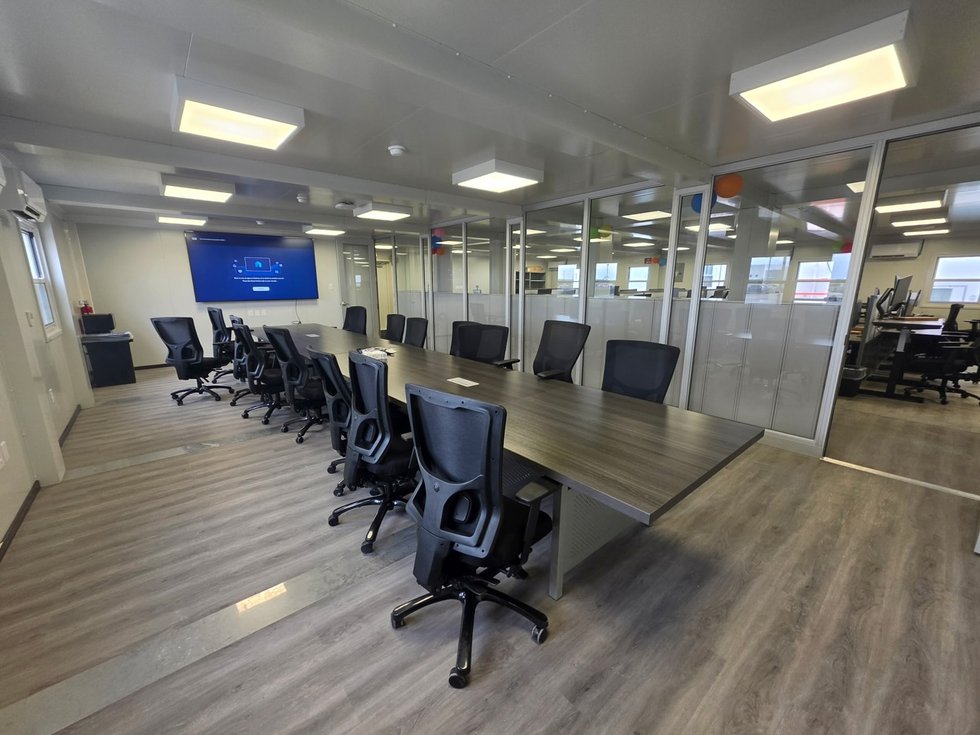
Custom modular buildings can include interior walls, roll up doors, and windows in many configurations.
Historically, site services — power, temporary facilities, vehicles and construction equipment, tools, scaffolding and indirect labor — have been treated as commodity rentals rather than strategic components of project delivery. This fragmented model created inefficiencies, inflated logistics burdens, and made it difficult to track or manage indirect field costs.
A McKinsey report underscores that indirect field costs often represent 35–50% of total construction costs, and in some cases have increased by another 15–30% under stressed conditions such as COVID-era requirements. When such a large cost category is poorly integrated, project overruns become practically inevitable.
At the same time, construction productivity has stagnated for decades, prompting calls for more holistic, manufacturing-inspired project operating systems that integrate services and reduce fragmentation. These pressures have created the perfect environment for scalable site services to emerge as a competitive advantage.
Modular, scalable infrastructure takes center stage
High-performance modular facilities
McKinsey’s research on modular construction reveals that modern modular solutions can accelerate timelines by 20–50% and reduce costs by around 20% through better standardization and supply-chain efficiency. More importantly for industrial construction, modularization reduces site labor, freight movements, and complexity — exactly the pain points that plague jobsite indirects.
But direct construction isn’t the only one benefiting from planned modular facilities. Historically, office trailers, lunch tents, and training rooms were put together, at best, with mobile-home style trailers. But on a jobsite with a small footprint, these sprawling complexes take up valuable real estate and cost a lot to ship in and maintain. However, innovations with high-spec steel modular units that are stacakable, power-ready, and can be installed with semi-skilled labor are changing how temporary facilities on jobsites are managed.
These units:
- Reduce freight volumes
- Do not require wide-load accommodation
- Allow large complexes (40,000+ sq. ft.) to stand up in weeks instead of months
- Provide high durability for multi-year megaprojects
This “factory-first, site-second” mindset for site services mirrors McKinsey’s recommendation that construction shift toward offsite, manufacturing-style production for speed, cost efficiency, and predictability.
Smarter, scalable power systems
Legacy power setups often used oversized generators running inefficiently — wasting fuel and ballooning carbon output. Today, hybridized power hubs can scale output automatically or integrate battery storage to optimize fuel burn. Having fewer generators onsite also reduces overall cost, frees up space on the jobsite, and may help achieve sitewide ESG goals.
Meeting net-zero and ESG expectations requires major efficiency gains in site operations, including temporary power systems that reduce emissions and improve energy management. Scalable energy hubs help owners meet these requirements while reducing indirect costs and site congestion.
The strategic value of integrated indirect services
Fragmentation across the construction value chain is a major barrier to productivity. Integrated site service models — where providers deliver bundled solutions across categories — will become a defining trend in the next decade.
For owners, the integration of indirect site services drives measurable benefits:
- Budget control through consolidated oversight of indirects instead of managing dozens of vendors
- Reduced labor waste by eliminating redundant supervision and overlapping scopes
- Better schedule adherence through standardized setups and repeatable deployment processes
- Safer sites because fewer contractors means fewer mobilizations, touchpoints, and risks
Integrated site services enable projects to behave like well-run manufacturing operations rather than temporary assemblages of independent rental providers.
Scalable site services across the jobsite
By some measures, improving procurement, supply chain management, and on-site execution in site services could help the industry boost productivity by 50–60% at scale. AMECO has been providing indirect services sitewide for 80 years, weaving an entire ecosystem of scalable site services that align with these industry trends:
Vehicles and construction equipment
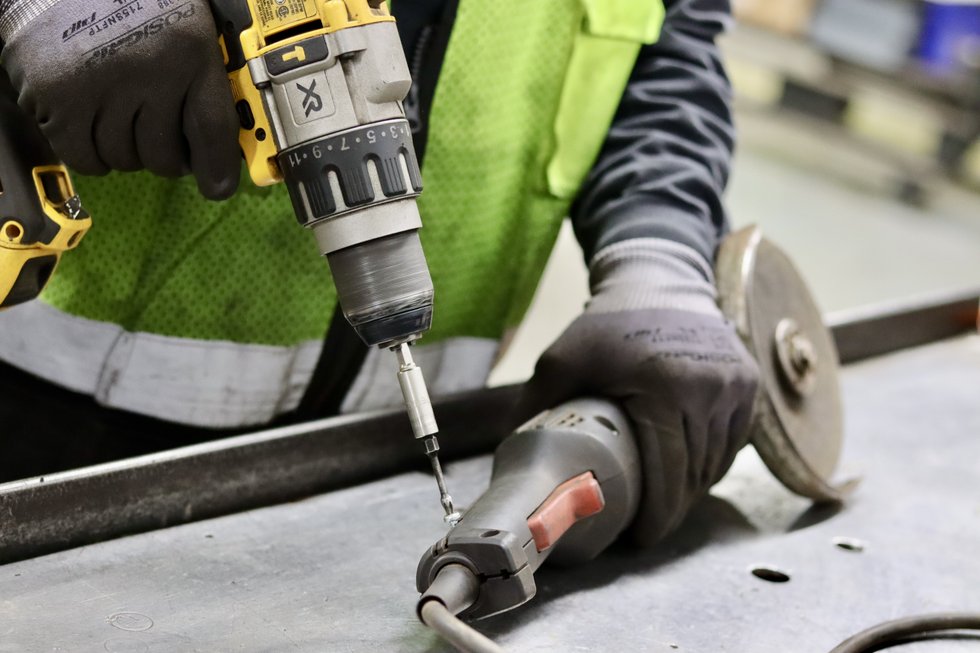
Sitewide management of tools, consumables, and supplies ensures that equipment is well maintained and in stock when it’s needed.
Construction remains plagued by equipment inefficiencies — over-purchasing, under-utilization, and low transparency. AMECO’s integrated fleet and tool management helps address this by:
- Centralizing vehicle and equipment inventory to right-size the fleet
- Managing preventative maintenance for all equipment
- Sitewide fueling to eliminate waste
Tools, consumables & safety supplies
Having a sitewide provider of tools, consumables & safety supplies can have a tangible impact on efficiency. By managing tools and supplies based on the craft curve and construction progress:
- Eliminate over- or under-purchasing tools and consumables
- Managed tool cribs ensure everything needed is onsite at the start of the shift
- Invoicing is simplified and avoids surprises
Workforce support infrastructure
Scalable solutions for workforce housing, hydration, sanitation, and safety supplies reduce indirect labor and site downtime. Integrated programs for hydration and restrooms for example can reduce waste and onsite traffic dramatically, which enhances safety, lowers carbon footprint, and reduces jobsite congestion.
Scalability as the new benchmark for project delivery
The shift toward scalable, integrated site services is not a trend — it’s a structural response to the industry’s biggest challenges:
- Rising indirect costs
- Workforce constraints
- Stagnant productivity
- Increasing project complexity
By treating indirect services as a strategic blueprint rather than a collection of rentals, owners can build jobsites that are faster to deploy, safer to operate, and significantly more cost-efficient.
In a market where efficiency is the only sustainable competitive advantage, scalability has become the new standard for a work-ready operation.
Learn how AMECO’s integrated approach to Site Services® can improve productivity and cost efficiency on your jobsite. Visit ameco.com/contact to connect with a Site Services expert.