
NOTE: The sponsor of this content may contact you with more information on this topic. Click here to opt-out from sharing your email address with this sponsor. (This link will not unsubscribe you from any other BIC email list).
Personal Protective Equipment (PPE) has evolved significantly in recent years, driven by changing workplace hazards, stricter safety regulations, and a greater focus on worker experience. While traditional PPE was primarily designed to provide protection, today's equipment must also deliver comfort, sustainability, and task-specific performance. Organizations recognize that when workers are comfortable and equipped with gear tailored to their environment, compliance improves and overall safety outcomes are enhanced. Three major trends are shaping the future of PPE: comfort-driven compliance, sustainable product development, and application-specific protection.
Comfort driving compliance
One of the most important shifts in PPE design is the growing emphasis on wearer comfort. Historically, workers often viewed safety equipment as bulky, restrictive, and uncomfortable. As a result, some employees remove or improperly wear PPE, increasing the risk of workplace injuries.
Manufacturers are now prioritizing ergonomic designs that improve fit, reduce fatigue, and encourage consistent use. Lightweight materials, breathable fabrics, moisture-wicking technology, and adjustable components are becoming standard across many PPE categories. Safety helmets, for example, now feature advanced suspension systems and ventilation channels that reduce pressure points and improve airflow. Similarly, modern protective gloves are designed to provide dexterity without sacrificing cut or impact resistance.
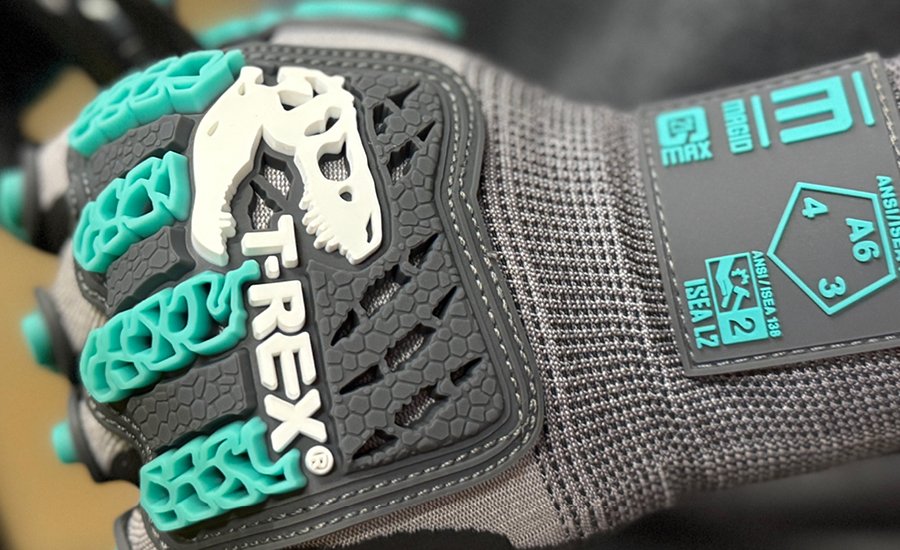
Comfort is particularly critical in industries where workers wear PPE for extended periods. Construction workers, manufacturing personnel, utility technicians, and healthcare professionals often spend entire shifts in protective gear. By reducing discomfort, employers can increase user acceptance and improve compliance with safety requirements.
Advancements in safety glove knitting technology have enabled significantly higher stitch densities, creating a finer, more compact knit structure. This enhanced construction allows the glove to conform more naturally to the shape of the hand, minimizing pressure points, improving flexibility and dexterity, and reducing hand fatigue during extended wear.
Technology is also contributing to comfort-focused innovation. Smart PPE solutions, such as connected helmets and wearable sensors, are being designed with lightweight components that minimize interference with daily tasks. The goal is to integrate protection and functionality while maintaining a positive user experience.
Ultimately, organizations are recognizing that the most effective PPE is equipment that workers are willing to wear consistently. Comfort is no longer considered a luxury feature; it has become a central factor in safety program success.
Sustainability takes center stage
Sustainability has become a key priority across industries, and the PPE sector is no exception. As companies work toward environmental, social, and governance (ESG) goals, they are seeking protective equipment that reduces waste and environmental impact without compromising safety.
Manufacturers are responding by incorporating recycled materials, renewable resources, and environmentally responsible production methods into PPE design. Safety eyewear, protective clothing, and gloves are increasingly being produced with recycled plastics and sustainable textile blends. Some suppliers are also introducing biodegradable packaging and reducing the use of single-use materials throughout their supply chains.
Another significant trend is the development of longer-lasting PPE. Durable products that maintain their protective performance over extended periods help reduce waste and lower replacement costs. Reusable protective garments, washable high-visibility apparel, and more resilient glove technologies are gaining popularity as organizations seek to balance safety and sustainability objectives.
The circular economy is also influencing PPE innovation. Some manufacturers are establishing take-back and recycling programs that allow used equipment to be collected, processed, and repurposed into new products. These initiatives help divert materials from landfills while supporting broader corporate sustainability goals.
However, sustainability efforts must always align with safety standards. PPE manufacturers face the challenge of ensuring that environmentally friendly materials meet the same rigorous performance requirements as traditional products. The industry's success in addressing this challenge is creating new opportunities for organizations seeking both worker protection and environmental responsibility.
The rise of application-specific PPE
Another major trend is the growing demand for PPE tailored to specific tasks, hazards, and work environments. Rather than relying on one-size-fits-all solutions, companies are increasingly selecting equipment designed for the unique risks associated with certain applications.
For example, workers in oil and gas operations require flame-resistant clothing capable of protecting against flash fires and arc flashes. Healthcare professionals need specialized gloves, respiratory protection, and protective garments designed to reduce exposure to biological hazards. In construction and manufacturing settings, workers may require impact-resistant footwear, anti-vibration gloves, or hearing protection engineered for specific noise levels.
Advances in materials science are enabling manufacturers to develop highly specialized products that offer targeted protection while minimizing unnecessary bulk. Modern cut-resistant gloves provide varying levels of protection depending on the specific hazards present, allowing companies to select the most appropriate option rather than overprotecting or under protecting workers.
Application-specific PPE is also becoming more data-driven. Risk assessments, workplace analytics, and hazard monitoring technologies are helping organizations identify precise protection requirements. This information allows safety professionals to match workers with PPE that delivers optimal performance for their specific tasks.
Customization is further enhancing this trend. Adjustable sizing systems, personalized fit options, and equipment designed around workforce demographics help ensure that PPE meets the needs of diverse worker populations. Better fit leads to improved protection, greater comfort, and higher compliance rates.
Looking ahead
The PPE industry is entering a new era where protection alone is no longer enough. Comfort-driven designs are encouraging greater compliance, sustainable practices are reducing environmental impact, and application-specific solutions are delivering more effective protection for diverse workplace hazards. As technology, materials, and workplace expectations continue to evolve, PPE will become increasingly personalized, intelligent, and environmentally responsible.
Organizations that embrace these trends will be better positioned to protect their workforce, support sustainability initiatives, and foster a stronger culture of safety. In the years ahead, the most successful PPE programs will be those that balance performance, comfort, and innovation to meet the changing needs of modern workers.
Learn more
Founded in 1946, Magid is a fourth-generation, family-owned leader in PPE innovation, offering complete safety solutions, expert safety services, and sustainable manufacturing practices. Magid helps organizations improve worker protection, productivity, and compliance across industries.
For more information, go to magidglove.com.