NOTE: The sponsor of this content may contact you with more information on this topic. Click here to opt out from sharing your email address with this sponsor. (This link will not unsubscribe you from any other BIC email list).
For decades, boiler procurement has followed a familiar pattern.
A facility identifies the need for new steam capacity, engineering begins, specifications are finalized and an order is placed. Then comes the wait. Lead times stretching 12 months have become the norm, leaving operators to manage aging equipment, increased risk and limited flexibility while production demands continue.
In today’s industrial environment, that traditional timeline no longer aligns with reality. Market volatility, regulatory pressure, aging infrastructure, and unexpected failures are forcing facilities to rethink how — and how quickly — they bring new boiler capacity online.
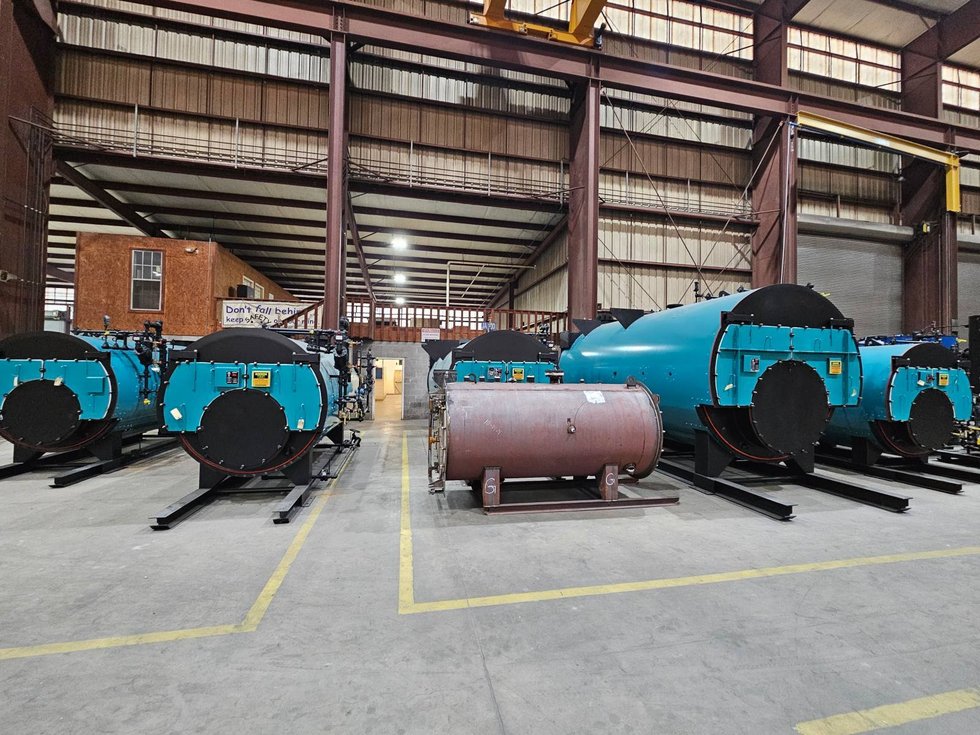
Increasingly, the question is no longer what boiler is needed, but how fast can it be delivered. This shift is redefining boiler procurement and elevating the role of in‑stock and in‑production equipment as a strategic alternative to conventional build‑to‑order models.
The traditional procurement timeline
Custom boiler projects remain essential for certain applications, but they come with inherent challenges. A typical procurement path often includes:
- Front‑end engineering and specification development
- Custom design and approvals
- Fabrication scheduling and materials procurement
- Manufacturing and shop testing
- Shipping, installation and commissioning
Even when everything goes smoothly, these steps can take well over a year, which could work fine for some facilities. However, during that time, facilities may face:
- Increased risk of unplanned outages from aging equipment
- Deferred maintenance or upgrades due to uncertainty
- Operational constraints when capacity margins are tight
- Exposure to regulatory deadlines that don’t align with delivery schedules
When a boiler failure accelerates the need for replacement, the gap between decision and delivery can become a critical vulnerability.
A shift in thinking: Boilers when you need them
Forward‑looking facilities are increasingly adopting a different mindset — one that prioritizes availability, flexibility, and speed alongside performance and efficiency.
Rather than starting from a blank specification every time, this approach asks:
- Can capacity be deployed faster?
- Can risk be reduced without sacrificing reliability?
- Can procurement timelines align with operational reality?
In‑stock and in‑production boiler programs are a practical answer to these questions. By maintaining a fleet of standardized, high‑demand boiler configurations at various stages of completion, suppliers can significantly compress delivery timelines — sometimes by months or even years.
This model doesn’t eliminate engineering rigor; it streamlines it. Proven designs, standardized components and pre‑engineered configurations allow facilities to move from decision to installation far more quickly.
How in‑stock boiler programs change the equation
An in‑stock boiler program fundamentally alters the procurement timeline. Instead of waiting for fabrication to begin, facilities can leverage equipment that is already built — or actively being built — based on common industrial requirements.
Key advantages include:
- Expedited availability: Boilers can often be delivered in a fraction of the time required for custom builds.
- Reduced project uncertainty: Proven designs minimize engineering revisions and approval delays.
- Faster path to compliance: Quicker deployment helps facilities meet regulatory or permitting deadlines.
- Improved risk management: Aging or compromised equipment can be replaced before failure occurs.
For many facilities, the ability to act quickly is as valuable as the equipment itself.
Where speed makes the biggest impact
Expedited boiler availability is particularly valuable in scenarios where timing is critical:
- Unexpected failures: When existing boilers suffer major damage or reliability issues.
- Capacity shortfalls: During expansions, process changes or increased demand.
- Regulatory deadlines: When emissions or safety requirements mandate replacement within a fixed timeframe.
- Deferred replacements: When projects delayed by supply‑chain constraints finally move forward.
In these situations, waiting 12 months for new capacity may not be feasible. In‑stock solutions provide a way to bridge the gap between immediate need and long‑term planning.
Balancing speed with performance
One common misconception is that faster delivery requires compromising on performance or quality. In practice, in‑stock boiler programs are built around high‑demand, industry‑standard configurations that meet a wide range of operating conditions.
These systems are typically designed to:
- Support common fuels and pressure ranges
- Integrate with modern control systems
- Accommodate emissions‑control strategies
- Align with established codes and standards
While not every application is suited to a standardized approach, many facilities find that in‑stock equipment meets their needs with minimal customization — without the extended timelines of fully build-to-spec designs.
Planning ahead: Speed as a strategic advantage
Just as proactive rental planning improves reliability, proactive procurement planning can dramatically reduce risk. Facilities that anticipate future boiler needs — based on age, condition and operational demands — are better positioned to take advantage of in‑stock availability when it matters most.
Key planning considerations include:
- Evaluating remaining life of existing boilers
- Identifying capacity or redundancy gaps
- Understanding regulatory timelines
- Aligning capital planning with operational risk
By incorporating expedited options into long‑term planning, facilities gain flexibility rather than being forced into reactive decisions.
Avoiding common procurement pitfalls
Even with in‑stock equipment, preparation matters. Challenges can arise when:
- Site readiness lags behind equipment availability
- Utility connections and foundations are not prepared
- Permitting assumptions are not validated early
- Installation and commissioning resources are not aligned
Successful expedited projects still require coordination across engineering, operations and management teams. The difference is that time is spent preparing for installation — not waiting for fabrication to begin.
Redefining boiler procurement in practice
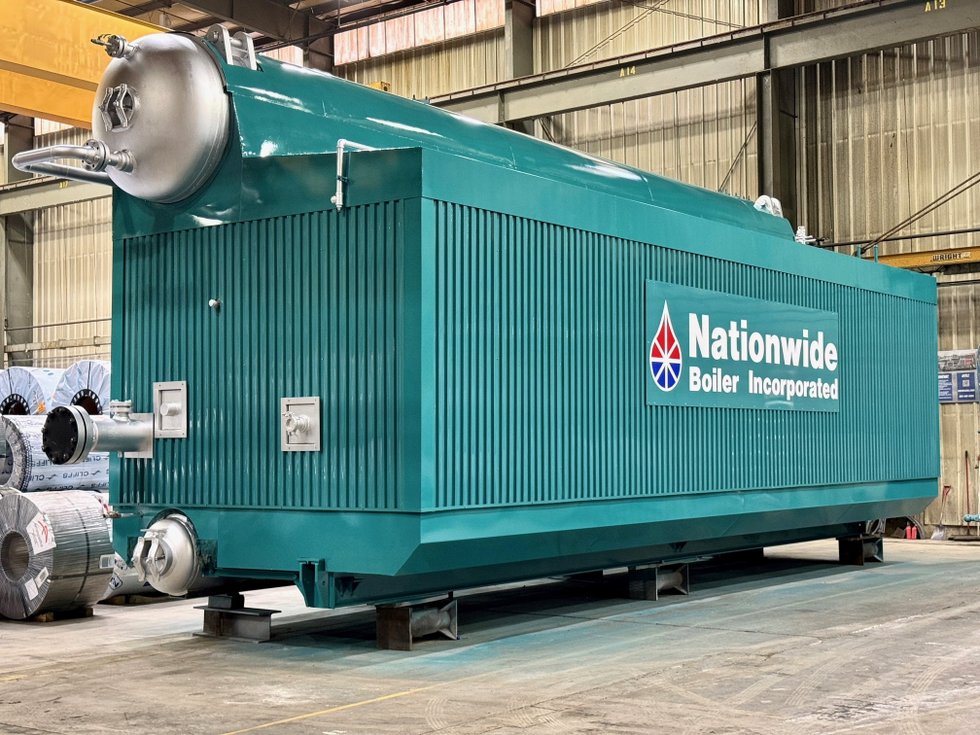
Across industrial markets, Nationwide Boiler has seen firsthand how procurement expectations are changing. Through their ‘Boiler Now’ initiative, the company has focused on maintaining in‑stock and in‑production boiler inventory designed to meet the most common industrial requirements — helping customers move from need identification to installation on an accelerated timeline.
This approach reflects a broader shift in the industry: from long‑range procurement models built around ideal conditions to flexible strategies designed for real‑world constraints. By combining expedited availability with engineering support, installation coordination and lifecycle expertise, in‑stock boiler programs allow facilities to act decisively — without sacrificing reliability or compliance.
From lead times to lead strategy
Traditional boiler procurement will always have a place, particularly for highly specialized applications. But for many facilities, speed has become a strategic differentiator.
When equipment availability aligns with operational urgency, procurement shifts from a bottleneck to an enabler. Projects move forward, risks are reduced and facilities gain control over timelines rather than reacting to them.
In an environment where downtime is costly and uncertainty is constant, redefining boiler procurement is no longer optional. By embracing expedited solutions and planning ahead, facilities can ensure that when new steam capacity is needed, it’s available now — not a year away.
For more information, visit nationwideboiler.com.