
NOTE: The sponsor of this content may contact you with more information on this topic. Click here to opt out from sharing your email address with this sponsor. (This link will not unsubscribe you from any other BIC email list).
In high-risk industrial environments, the difference between a routine task and a fatal incident often comes down to training, awareness and decision-making. Across Texas and the Gulf Coast region, recent tragedies underscore a sobering reality; many workplace fatalities occur during tasks that are well known, well documented and preventable.
In the last few years, Texas has consistently led the nation in workplace fatalities, a trend largely attributed to the state’s rapid economic growth and the inherent risks associated with high-hazard industries such as construction, O&G and transportation. In 2024 alone, Texas reported 58 fatal workplace injuries, underscoring the ongoing challenges employers face in protecting workers in fast-paced, physically demanding environments. These figures highlight the critical importance of comprehensive safety training, proactive risk management and a strong culture of safety across all levels of industry.
“These are not obscure hazards,” said Robert Royal, director of Safety & Personnel at Triple “S” Industrial Corporation. “They are well-known, high-risk activities that demand consistent, high-quality training and strong safety culture.”
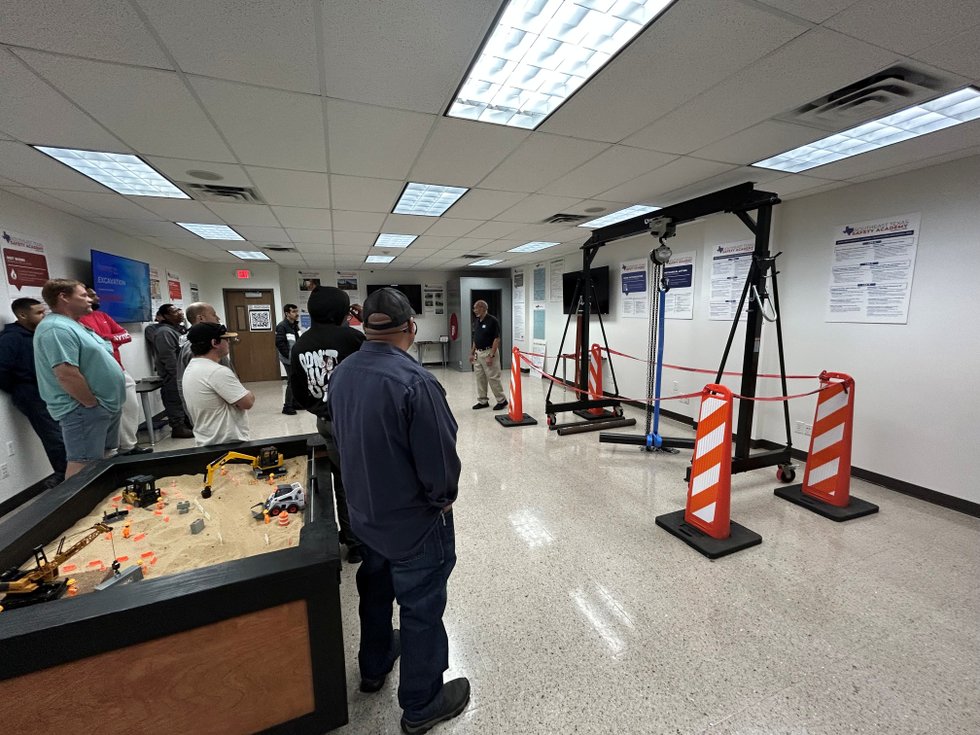
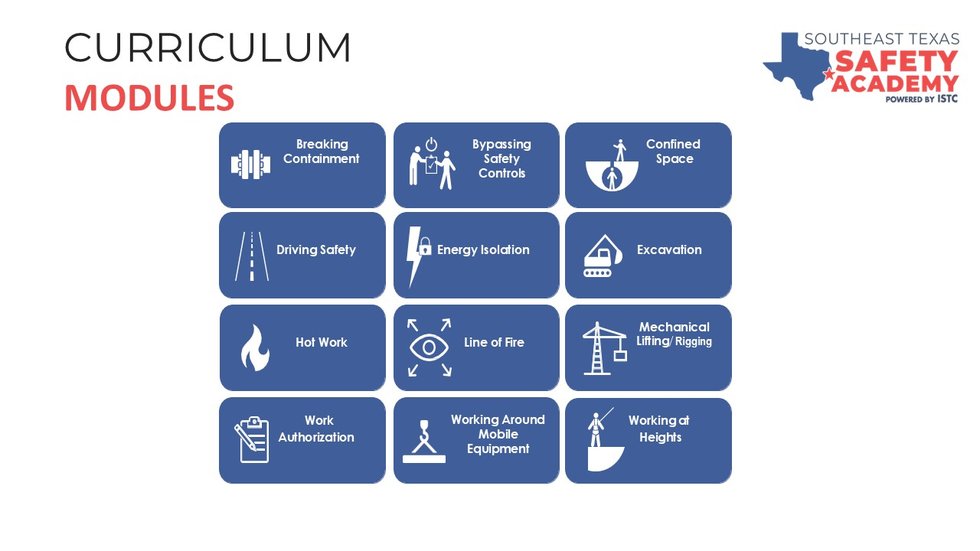
That reality is what led Industrial Safety Training Council (ISTC) to found its Safety Academy, a comprehensive, instructor-led training program designed to address the most common causes of serious injuries and fatalities in industry. The Academy focuses on the internationally recognized 12 Life-Saving Rules, including confined space entry, energy isolation, working at heights, excavation, line of fire, hot work, mechanical lifting, driving safety, working around mechanical equipment, breaking containment, bypassing safety controls and work authorization.
“Our goal is simple but urgent: reduce serious injuries and fatalities by addressing the hazards that are killing workers today, reducing complacency, and reinforcing the importance of watching out for one another,” said Wayne Roccoforte, ISTC’s training supervisor. “Every module is built around real-world incidents, practical controls, and the critical decisions workers and supervisors face on the job, because safety is not just about compliance, it’s about accountability and protecting the people beside you.”
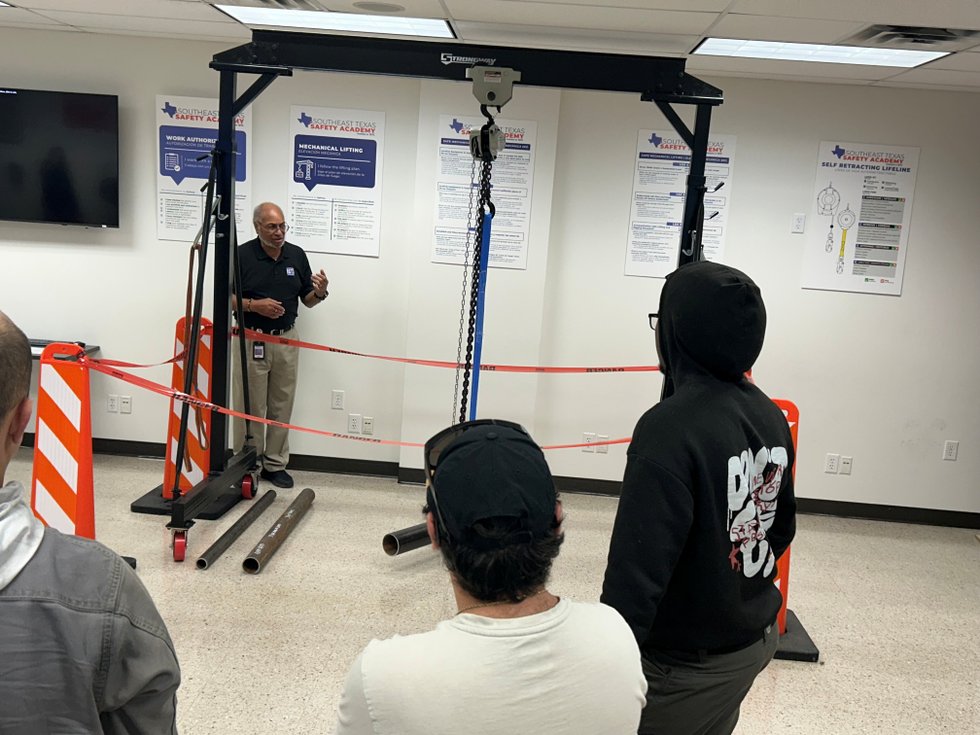
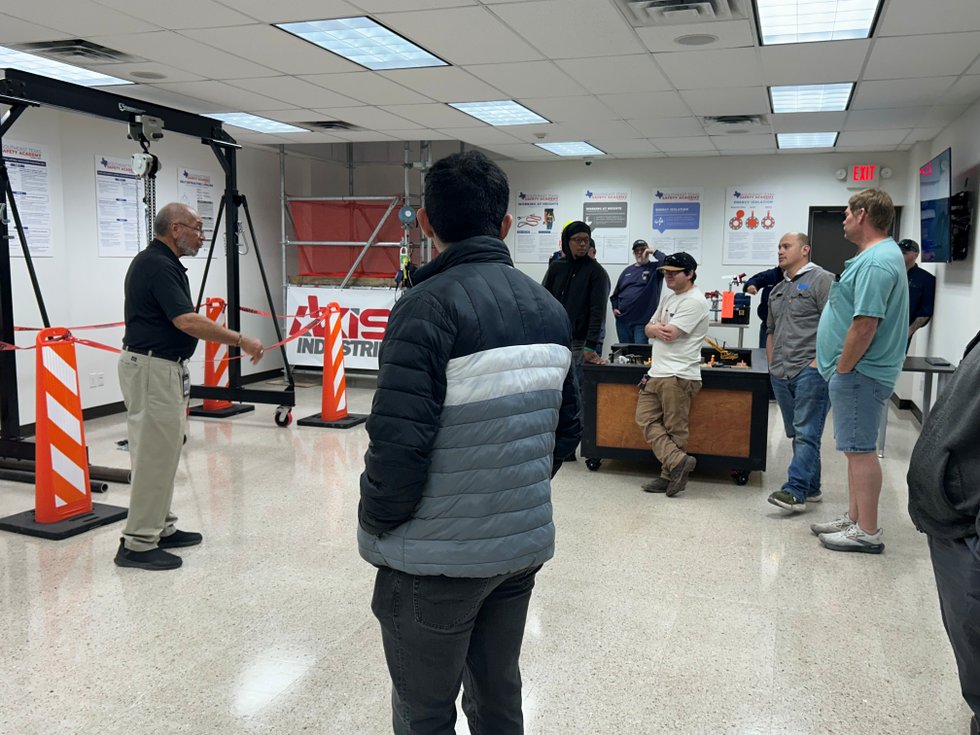
The Safety Academy blends classroom instruction, hands-on demonstrations, case studies, scenario-based learning and open group discussion. Courses were developed in collaboration with eight safety professionals from owner facilities and reviewed by industry partners to ensure relevance to evolving site conditions and regulatory expectations.
Beyond safety outcomes, the program also addresses workforce equity and access. Courses are offered in both English and Spanish, with bilingual instructors and customer service staff.
“Standardizing safety training across owners and contractors, levels the playing field. No matter who employs you or what language you speak, you’re starting with the same safety foundation,” said Michael Voivedich, ISTC chief operating officer.
With more than 30 years of experience, ISTC has long focused on creating pathways into high-demand, high-wage industrial careers. By combining safety training, background screening, badging, social security verification and ID scanning and compliance with a single integrated system, the Safety Academy becomes part of a broader workforce development pipeline.
More than 14,000 industrial workers have taken the Safety Academy curriculum in the last eight months requiring ISTC to expand its proven Safety Academy model from Beaumont to Baytown with a need to now position the product for regional replication. Integration with ISTC’s LINK platform ensures the program is scalable and sustainable.
“The Safety Academy is an investment in people,” Bobby Tupper, CEO of ISTC said. “When workers go home safe, families are stronger, employers are more resilient, and communities thrive.”
To date, several thousand Safety Academy graduates have awarded the program five stars for instruction, presentation and content noting the more impactful interactive format versus a computer-based platform.
As industry continues to grow, programs like the Safety Academy aim to ensure that growth does not come at the cost of human life, turning hard lessons from past tragedies into safer futures for the workforce.
For more information, visit istc.net.