
NOTE: The sponsor of this content may contact you with more information on this topic. Click here to opt out from sharing your email address with this sponsor. (This link will not unsubscribe you from any other BIC email list).
How ASTM G189 and AMPP TM21549 testing is building confidence in CUI mitigation
Corrosion under insulation (CUI) remains an endless challenge for piping system operators. Because it develops beneath the insulation layer and cladding, damage can progress unnoticed for long periods and often only becomes apparent once significant deterioration already exists.
CUI happens when moisture penetrates the insulation system and corrodes the underlying unprotected metal pipe. However, the issue is not simply identifying corrosion once it has occurred. A more important question may be how insulation systems influence corrosion risk in the first place and how that performance can be factored into decisions earlier in the process.
Lab testing is changing the game
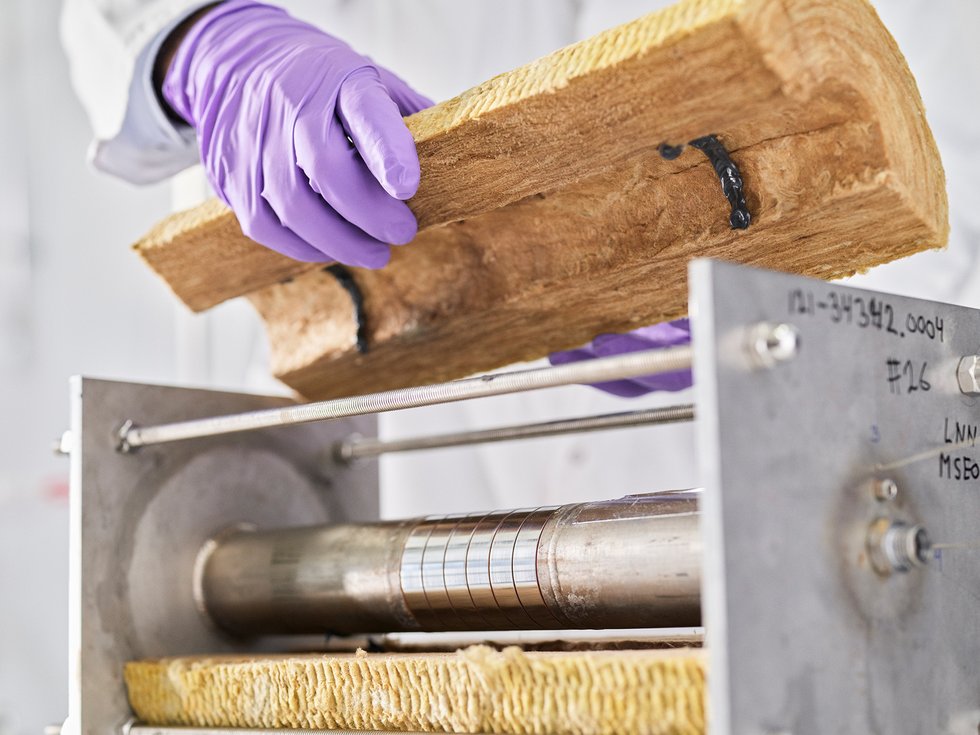
Figure 1. The ASTM G189 test compared three different insulation materials for CUI mitigation performance.
Laboratory testing comparing insulation systems under simulated CUI conditions is now providing answers.
In controlled wet and dry cycling tests, insulation materials incorporating corrosion-inhibiting technologies demonstrated significantly lower localized corrosion than those without. Differences in insulation structure also influenced how moisture accumulated or was able to evaporate.
These findings are essential to help operators move from reacting to CUI toward designing insulation systems that are better equipped to mitigate it.
Understanding the causes of CUI
Most engineers working in process industries understand the mechanics of CUI. Water enters the insulation system, reaches the pipe surface, and corrosion begins. In practice, however, the problem is rarely that straightforward.
Moisture can enter insulation through damaged cladding, degraded seals, weather exposure, or even as condensation when temperatures inside the insulation system are below the dew point. Once inside, water can then remain trapped against the steel surface for extended periods.
Operating temperatures often make the situation worse. Carbon steel equipment is particularly susceptible to CUI in temperature range of 122 to 347°F (50 to 175°C). Industry guidance such as API RP 583 identifies this as one of the most active temperature windows for corrosion under insulation on carbon steel piping and equipment. Add thermal cycling, fluctuating operating conditions, and occasional water ingress, and you get perfect conditions for corrosion.
The problem is that all of this happens out of sight. By the time corrosion is discovered during inspection campaigns or plant turnarounds, wall loss may already be significant. As a result, many operators are now looking further upstream, shifting the focus from simply detecting CUI earlier toward reducing the likelihood of corrosion developing in the first place.
How insulation systems influence CUI
Insulation is typically specified for thermal performance and personnel safety. However, the design and material characteristics of the insulation system also influence how moisture behaves once it enters the system, including:
- Moisture ingress – Insulation systems are rarely perfectly sealed. Weather exposure, mechanical damage, and aging jacketing systems can allow water to enter the insulation layer.
- Moisture retention and evaporation – Once water enters the system, the internal structure of the insulation material determines whether moisture drains away, evaporates, or remains trapped against the pipe surface.
- Thermal cycling – Fluctuating process temperatures create repeated wet and dry conditions that accelerate corrosion reactions.
- Material chemistry – Some insulation technologies incorporate corrosion-inhibiting components designed to slow corrosion initiation on the metal surface.
Simulating CUI conditions with ASTM and AMPP testing
Understanding how insulation materials behave under CUI conditions requires controlled testing that replicates the environmental factors involved. There are two widely recognized test methods for simulating corrosion under insulation in laboratory environments:
- ASTM G189 Standard Guide for Laboratory Simulation of Corrosion Under Insulation
- AMPP TM21549 Test Method for Assessing the Impact of an Insulation Material on the Corrosion of Austenitic and Ferritic Steels
ASTM G189 offers a flexible testing framework. Researchers can tailor temperature profiles, cycle duration, and electrolyte chemistry to replicate specific service environments. AMPP TM21549, on the other hand, follows a more prescriptive approach by defining standardized wet and dry cycles and testing conditions, including chloride-containing solutions that accelerate corrosion development.
When applied to different insulation materials under simulated CUI conditions, the results were extremely interesting.
The results may surprise you
In one testing program using the ASTM G189 method, insulated carbon steel pipe specimens were subjected to repeated wet and dry thermal cycles that replicate environments where CUI commonly develops. Several insulation types were evaluated, including mineral wool insulation, perlite insulation, and aerogel insulation.
The ASTM G189 test demonstrated that mineral wool containing a corrosion inhibitor produced significantly lower corrosion rates than mineral wool without an inhibitor under identical conditions.
Perlite insulation showed higher corrosion rates in the same testing program. Together, these results highlight how insulation chemistry and material composition can influence corrosion development beneath insulation systems.
Additional testing using the newer AMPP TM21549 method produced broadly similar trends. In these tests, insulated pipe spools were exposed to multi-month wet and dry cycling with alternating temperature conditions. Later stages of the program introduced chloride-containing solutions to simulate more aggressive service environments.
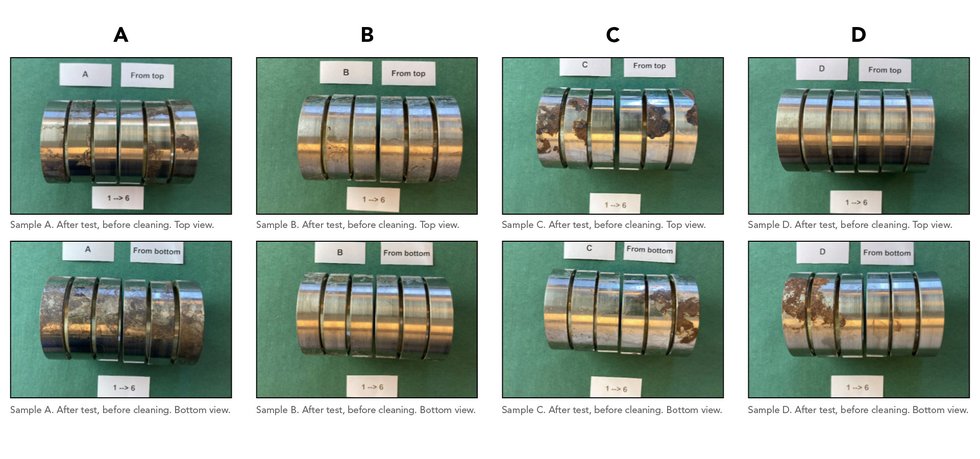
Figure 2. Pictures of samples after test.
A: Mineral wool without inhibitor, B: Mineral wool with inhibitor, C: Perlite, D: Aerogel
Across both testing methods, the average uniform corrosion rates observed for mineral wool with inhibitor and aerogel insulation were generally similar. The more significant differences appeared in localized corrosion behavior, particularly pitting.
In these comparisons, insulation systems incorporating corrosion inhibitors showed lower localized corrosion than aerogel insulation.
Why insulation performance makes the difference
One explanation for these results lies in how moisture behaves within the insulation structure.
Vapor-open materials allow moisture that enters the insulation system to evaporate more readily. Materials with a more closed structure can retain water once it penetrates the insulation layer, allowing corrosion to concentrate at localized points on the pipe surface.
The key takeaway is that corrosion performance is influenced not only by whether water enters an insulation system but also by what happens to that moisture once it is inside.
Specifying insulation with greater confidence
CUI is unlikely to disappear as long as insulated piping operates in outdoor, cyclic, and moisture-prone environments. What’s now changing is the industry’s ability to understand how insulation materials influence corrosion behavior beneath the cladding.
Controlled laboratory testing makes it possible to isolate those effects. By reproducing wet and dry cycles, temperature ranges, and electrolyte exposure in a repeatable environment, standards such as ASTM G189 and AMPP TM21549 allow engineers to compare how insulation materials respond to CUI conditions.
This has shown that insulation materials incorporating corrosion inhibitors can significantly reduce localized corrosion compared with those that do not. At the same time, the structure of the insulation itself influences how moisture behaves once it enters the system.
For engineers specifying insulation systems, managing corrosion under insulation is not only about keeping water out. It is also about selecting insulation systems that manage moisture effectively when it inevitably finds its way inside.
Read the whitepaper 'CUI Testing of Mineral Wool with a Corrosion Inhibitor to Stringent Industry Standard' for full test process and results here: rti.rockwool.com.
For more information about how stone wool insulation solutions with corrosion inhibitors can help you manage and mitigate CUI, visit: rti.rockwool.com.