
Storage tanks at tank terminals must be inspected at regular intervals to verify the condition and structural integrity of the tank internals.
These inspections ensure compliance with safety and environmental standards, but often come at the cost of downtime, labor and lost throughput.
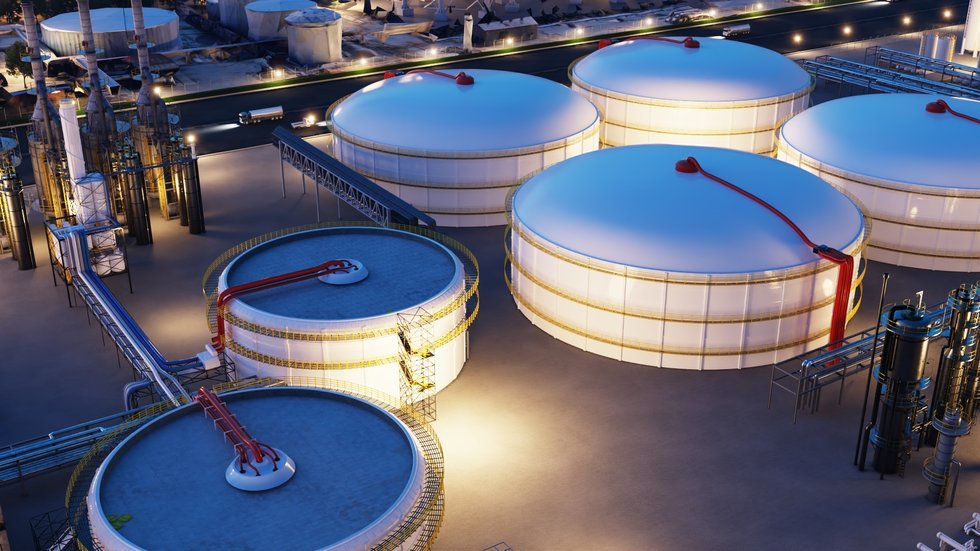
The path to five year tank inspections
Tank terminal owners can achieve meaningful operational and financial gains by applying a thick-film reinforced coating to the tank and extending internal inspection intervals. These inspections typically require labor-intensive draining, cleaning and inspection, taking tanks out of service for extended periods. By reducing inspection frequency, operators can minimize downtime, lower labor costs and improve operational continuity. Achieving this extension depends on meeting the performance benchmarks outlined in API 652.

Bill Pernice
Why API 652 matters for tank operations
API 652 outlines recommended lining practices for aboveground storage tanks that store petroleum and petroleum-based products. The document links certain characteristics of the tank lining system, such as dry film thickness (DFT), chemical resistance and adhesion, to inspection requirements.
Thin-film linings typically limit the extension to inspection intervals to two years. However, tanks with a thick-film reinforced lining that comply with API 652 criteria may be eligible for extending inspection cycles to five years. This extended interval enables operators to reduce the frequency of tank entry, allocate resources efficiently and keep assets in service longer between outages.
Key factors that influence eligibility
Not every coating system supports the five-year extension option. To qualify, a lining must meet specific technical requirements, such as:
• Pit bridging: Linings must form a continuous, durable barrier over pitted steel, especially in aging tanks. Systems that resist cracking and maintain coverage over defects improve service reliability.
• Edge retention: Coatings must hold film thickness at welds, nozzles and wall-to-floor transitions. These areas are typically more vulnerable to corrosion and failure.
• High-build capability: API 652 requires a minimum DFT of >20 mils, with some thick-film coatings capable of achieving >100 mils.
• Application characteristics: Applicators consistently highlight ease of application and the ability to achieve a spray pattern quickly as critical to completing a job.
Application and return to service
In addition to lab performance, practical characteristics such as cure time and shelf life influence the overall effectiveness of a lining system. Some newer coatings can return tanks to service in 16 to 24 hours under proper conditions. For terminal operators working within tight maintenance windows, this rapid turnaround supports overall operational efficiency, returning assets to generating revenue.
A longer shelf life of coatings reduces material waste and makes it easier to plan multiple projects across a facility. Coatings that remain stable in storage for 18 to 24 months provide flexibility for both owners and applicators.
Safer, more efficient inspections
The right lining system can reduce risk, support regulatory compliance and help make better use of inspection and maintenance resources. Operators considering an upgrade to support a five-year inspection interval extension should evaluate coatings based on their ability to meet API 652 requirements and withstand actual service conditions. Reviewing lab data, discussing application feedback and confirming that the product builds sufficient DFT are all part of a responsible selection process.
For more, visit bit.ly/ppgpmc-tanklining.