
NOTE: The sponsor of this content may contact you with more information on this topic. Click here to opt-out from sharing your email address with this sponsor. (This link will not unsubscribe you from any other BIC email list).
Across industrial construction and maintenance projects, owners and contractors continue searching for ways to address growing skilled labor shortages, improve field productivity and save money on projects. As a result, engineering and construction teams are reevaluating traditional cable and tubing support methods in favor of systems that reduce costs and offer greater installation efficiency and flexibility.
Traditional cable tray and conduit systems often require extensive field fabrication, cutting, drilling and assembly to meet installation challenges and accommodate routing changes. These methods have steep labor requirements, often extend schedules and create additional complexity in both new construction and retrofit projects.
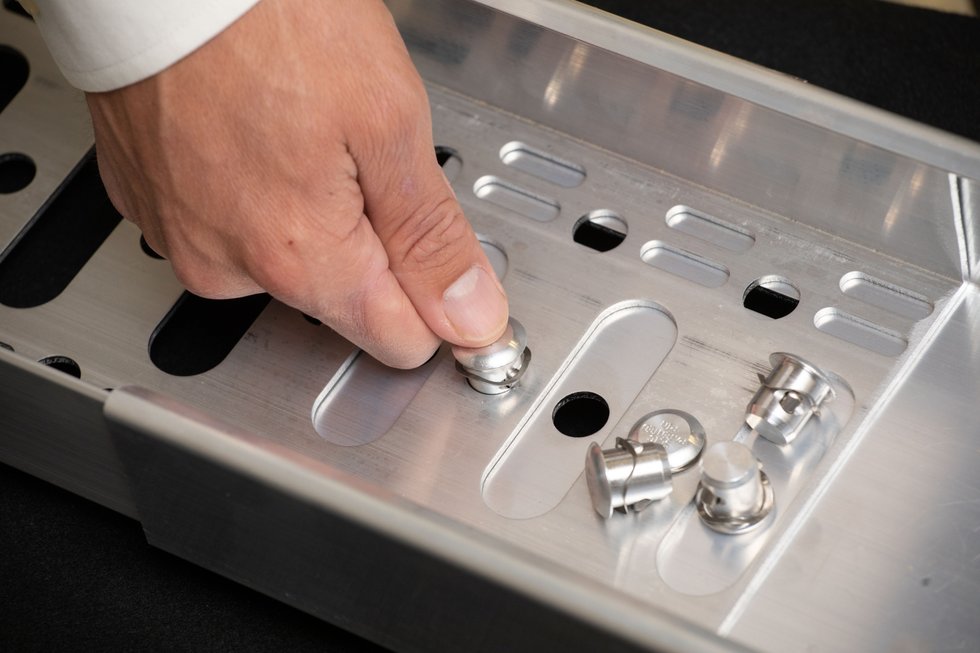
To address these challenges, many facilities are adopting snap-together cable tray systems designed to simplify installation and reduce field labor.
Unlike conventional systems that rely heavily on hardware and field fabrication, snap-together tray designs assemble quickly with minimal tools. This approach enables contractors to make routing adjustments more efficiently while reducing installation time and labor costs. Further, these types of systems can be installed using less skilled labor than traditional bolted tray or conduit.
Systems such as Snap Track® channel tray are being utilized across oil and gas facilities, chemical plants, power generation sites and other industrial environments to support power, control, instrumentation cable and tubing installations. Over 5 million feet of Snap Track have been installed in facilities, modules and well sites around the world.
Key benefits
Industrial users cite several advantages of snap-together tray systems:
- Lower total installed cost
- Reduced installation labor and assembly time
- Easier installation utilizing lower skilled labor
- Faster routing and field modifications
- Reduced field fabrication requirements
- Easy field routing if not designed into the project
- Improved flexibility for late-stage design changes
- Easier access for maintenance and future expansion
Case study: Gulf Coast Naphtha project
The advantages of snap-together tray systems were demonstrated during a recent Gulf Coast Naphtha Project involving the installation of Emergency Block Valves (EBVs).
The project required routing thousands of feet of ½-inch stainless steel tubing from centralized plant air systems to numerous field-mounted EBVs located throughout the facility. Congested pipeways and extensive tubing runs created significant constructability challenges, making installation efficiency a critical project objective.
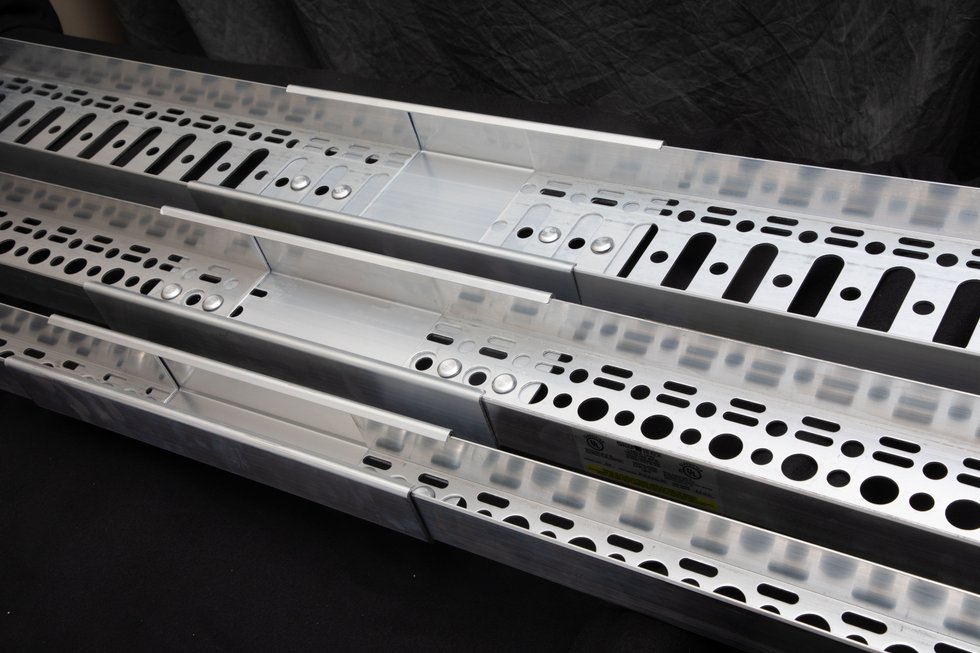
The engineering team selected Snap Track® as the exclusive support system for all EBV tubing. The project utilized multiple tray sizes, standard and specialty fittings to support primary routing paths throughout the facility.
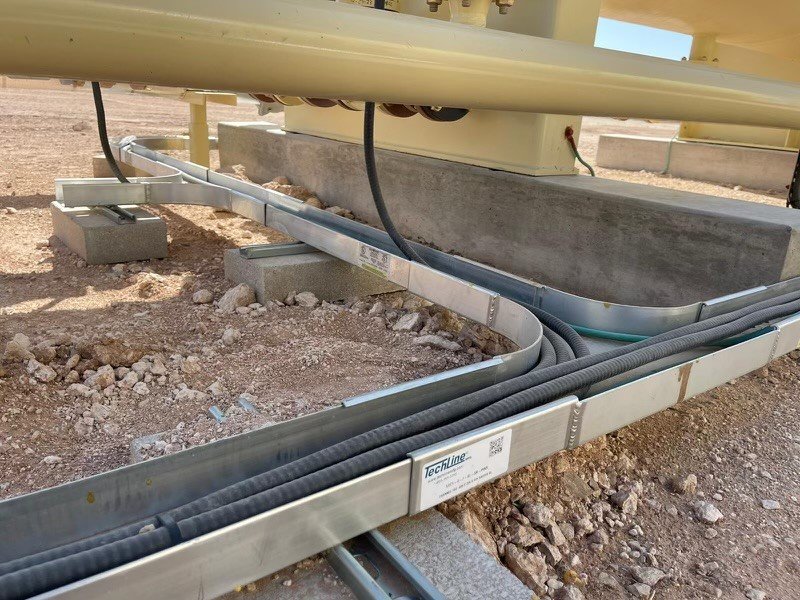
While typically installed with the open side facing upward, a key design innovation in this project involved installing the tray horizontally with the open side facing outward rather than upward. This configuration highlighted the system’s flexibility as it minimized interferences within crowded pipe racks while significantly improving installer access. According to project personnel, the arrangement simplified tubing installation and reduced overall installation difficulty.
Despite delays in other portions of the project, the efficiency of the Snap Track® system allowed tubing installation activities to progress ahead of schedule. The accelerated installation helped recover valuable project time and contributed to maintaining overall schedule objectives.
Operations and maintenance personnel also recognized long-term benefits associated with the system. The open tray design provides improved accessibility for inspection, maintenance and future modifications, helping reduce lifecycle costs while simplifying turnaround activities.
Looking ahead
As industrial facilities continue to prioritize efficiency, safety and cost control, installation methods that reduce field labor and simplify construction have become essential.
For engineering and construction teams evaluating alternatives to conduit or traditional bolted tray systems, snap-together cable tray technology offers a practical solution for improving productivity, reducing total installed cost and enhancing long-term maintainability.
Whether you're designing a new facility, planning a retrofit or looking for alternatives to traditional conduit systems, evaluating support infrastructure early in the design phase can have a significant impact on project cost and schedule. TechLine Manufacturing's Snap Track® cable tray system, made domestically, can help you reduce installation labor, simplify routing and improve long-term maintainability across a wide range of applications.
For more information, visit techlinemfg.com.